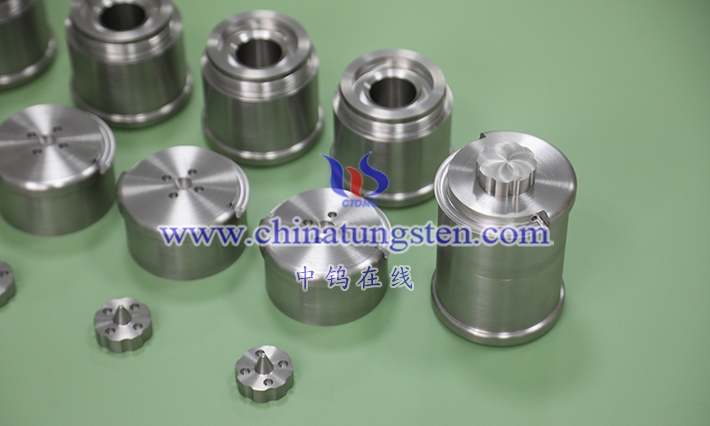
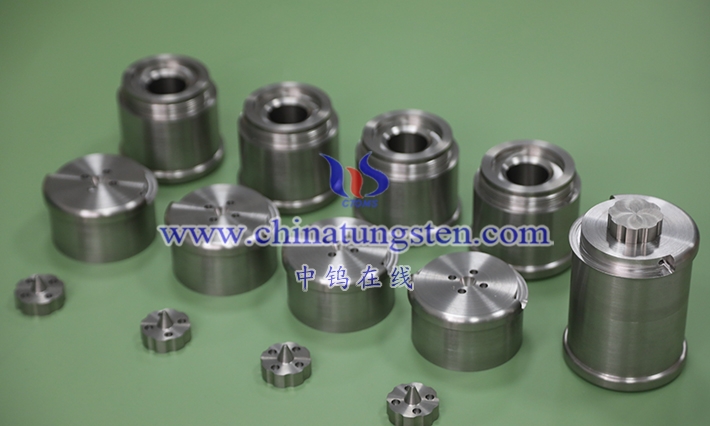
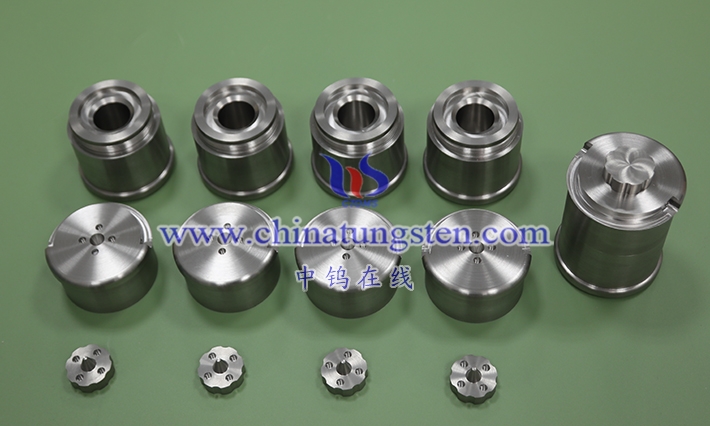
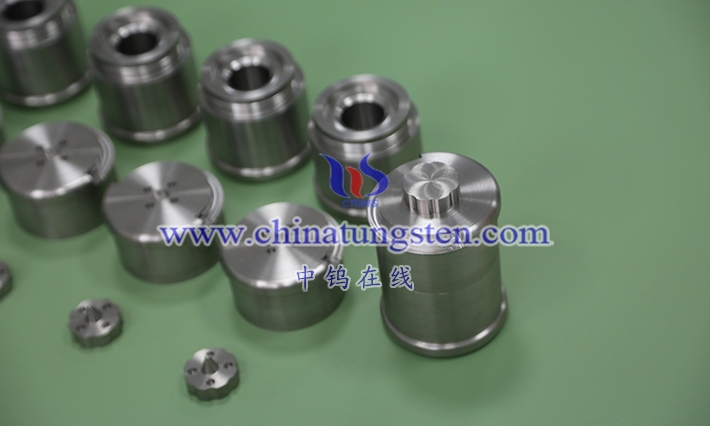
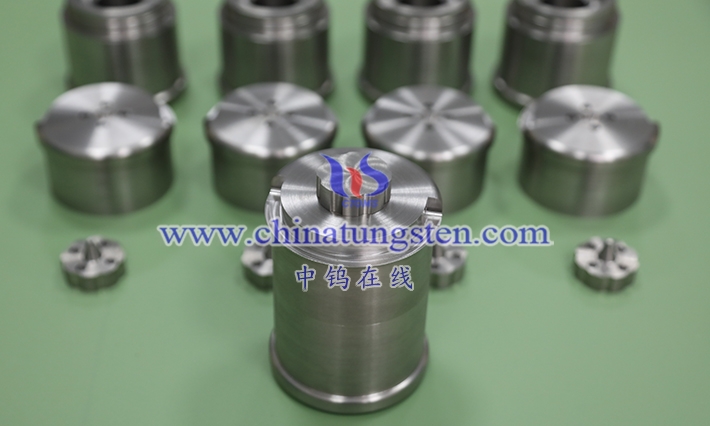
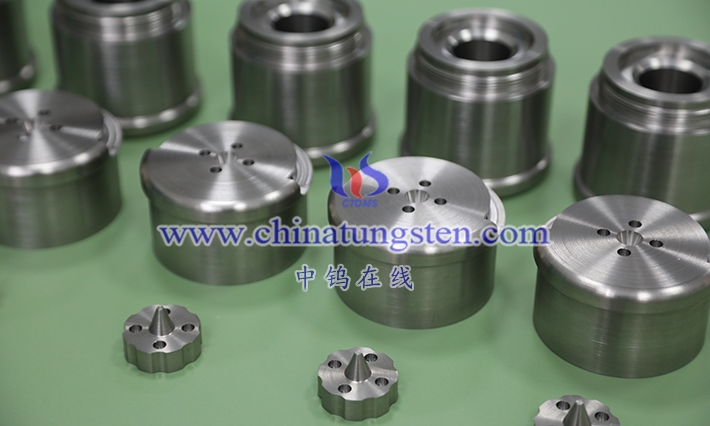
The interaction processes of tungsten alloy shielding containers with different types of ionizing radiation exhibit clear mechanism layering and energy dependence, yet follow a common pattern of stepwise energy depletion and local deposition.

High-energy γ-rays initially undergo photoelectric effect or pair production in the inner wall layers, converting energy in one or several steps into photoelectrons, positrons, and annihilation photons. These charged particles travel short distances in the high-electron-density material, transferring kinetic energy to the lattice via ionization loss and bremsstrahlung. At medium energies Compton scattering predominates, with photons colliding inelastically with outer-shell electrons, randomizing direction and energy; repeated scattering gradually reduces energy until re-entering the photoelectric absorption regime. Low-energy segments are almost entirely handled by photoelectric effect for final absorption.
Fast neutrons first experience inelastic scattering upon entering the wall, transferring substantial kinetic energy in collisions with tungsten nuclei and potentially generating secondary particles, followed by multiple elastic scatterings that further moderate them to thermal energies. Thermal neutrons are captured by iron in the binder phase or added absorber layers, releasing lower-energy capture gamma rays that are subsequently attenuated by photoelectric or Compton processes within the thick wall.
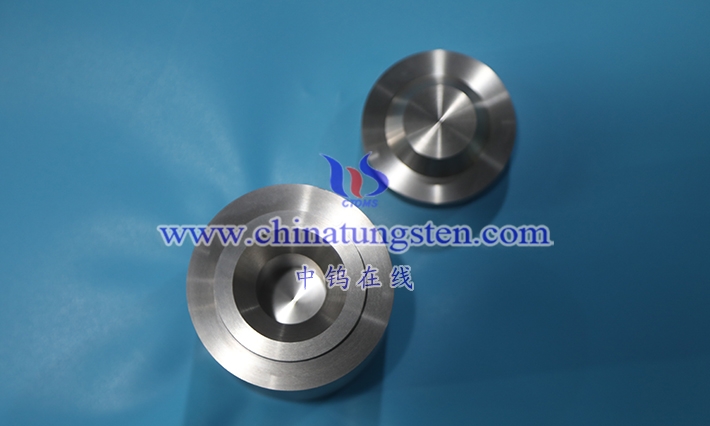
Secondary radiation includes Compton-scattered photons, characteristic X-rays, bremsstrahlung, annihilation photons, and neutron-capture gamma rays. Though lower in energy than primaries, these originate closer to the outer surface. The high electron density of tungsten alloy stops secondary charged particles quickly, while secondary photons are rapidly re-absorbed in the remaining thickness.
The entire interaction process forms a gradient attenuation chain from hard absorption in inner layers to soft scattering in outer layers, enabling relatively complete energy deposition and intensity reduction of broad-spectrum incident radiation within the wall, providing reliable shielding protection for nuclear medicine hot cells, isotope production facilities, and industrial irradiation installations.
More details of tungstate product, please visit website: http://www.tungsten-alloy.com/index.htm
Please contact CHINATUNGSTEN for inquiry and order of tungstate:
Email: sales@chinatungsten.com
Tel.: 86 592 5129595