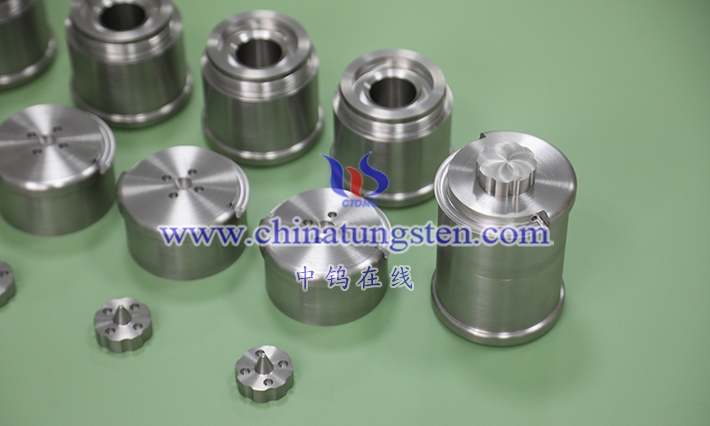
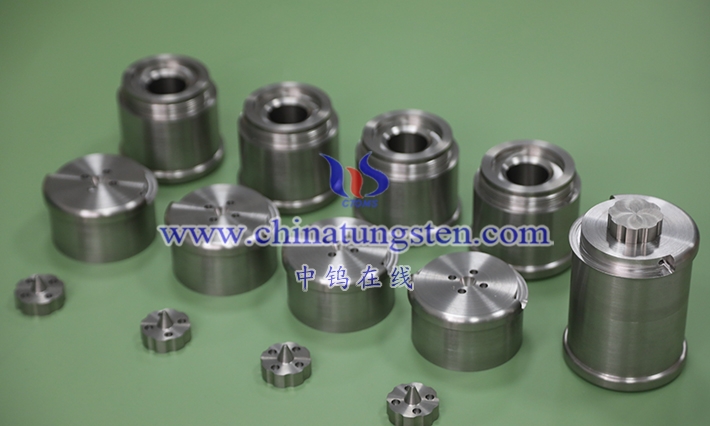
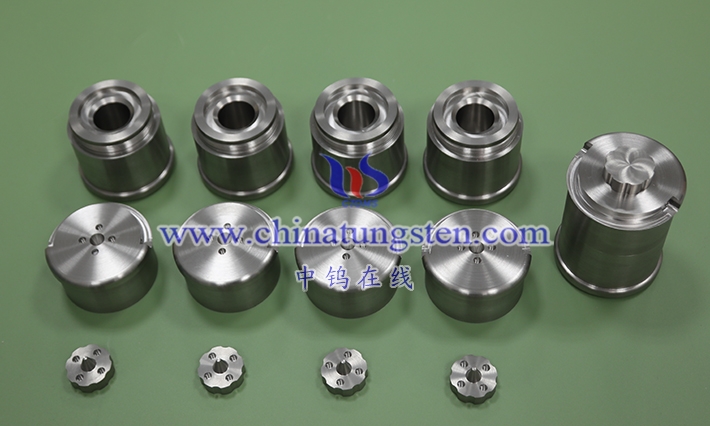
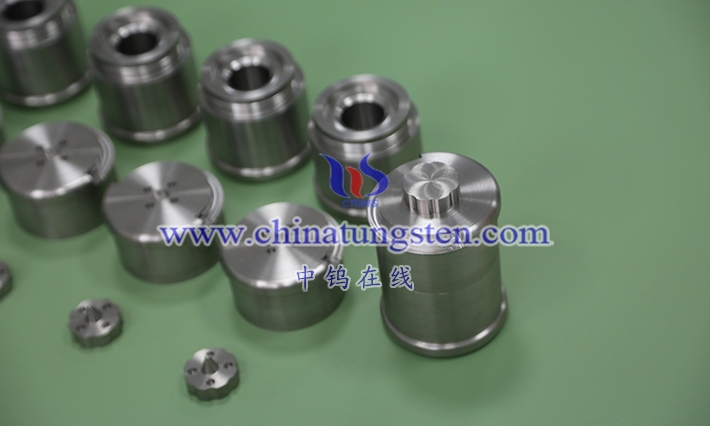
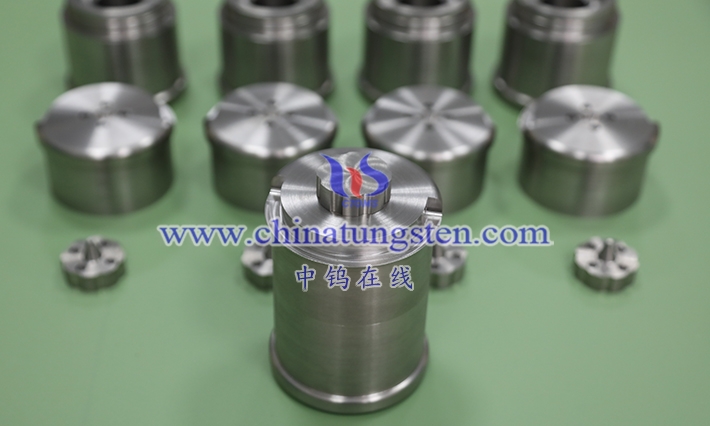
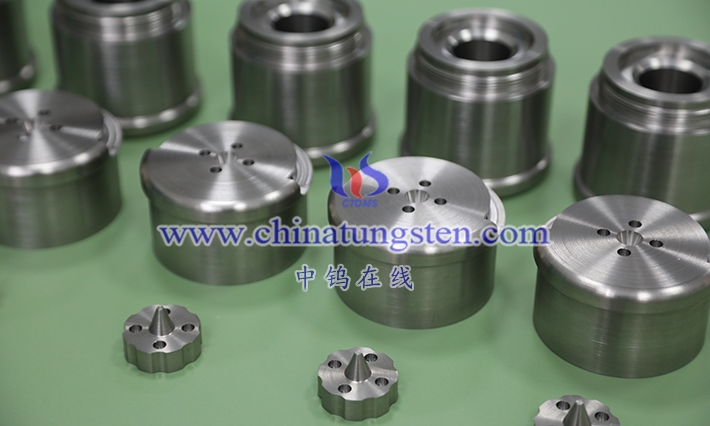
The actual shielding effectiveness of tungsten alloy shielding containers is governed by the combined influence of material properties, structural design parameters, radiation source characteristics, manufacturing process precision, service environment conditions, and routine maintenance status. These factors operate at different stages of the container lifecycle and exhibit clear interdependencies.

Material properties establish the upper limit of shielding performance, encompassing tungsten content and densification, binder phase type and distribution, grain size and microstructural homogeneity, and trace element control. Structural design parameters determine whether theoretical calculations translate into practical shielding capability, primarily involving wall thickness distribution, cavity geometry, labyrinth and sealing surface design, collimation and viewing window treatment, and gradient functional layering. Radiation source characteristics define the shielding challenge, including radiation type, energy spectrum, activity-time profile, geometric distribution, and chemical form.
Manufacturing process precision directly affects the degree to which the design intent is realized, covering powder mixing uniformity, sintering densification, deep-blind-hole straightness and roughness, surface coating adhesion and thickness consistency, and overall dimensional tolerance control. Service environment conditions continuously influence in-service shielding performance, such as minor thermal expansion at elevated temperature, surface corrosion from humidity and decontamination agents, subtle microstructural evolution under prolonged irradiation, and geometric deformation from accidental drops. Routine maintenance status determines whether shielding effectiveness can be sustained long-term, involving surface decontamination frequency and method, seal replacement due to aging, localized damage repair, and periodic dose rate and leakage monitoring.

These factors constitute a complete causal chain: material and design set theoretical shielding capability, manufacturing precision determines realization degree, source and environment define actual loading, and maintenance status governs lifecycle performance. Only through systematic closed-loop management of all factors can tungsten alloy shielding containers consistently deliver reliable shielding in nuclear medicine hot cells, isotope production, industrial irradiation, and scientific research applications.
More details of tungstate product, please visit website: http://www.tungsten-alloy.com/index.htm
Please contact CHINATUNGSTEN for inquiry and order of tungstate:
Email: sales@chinatungsten.com
Tel.: 86 592 5129595