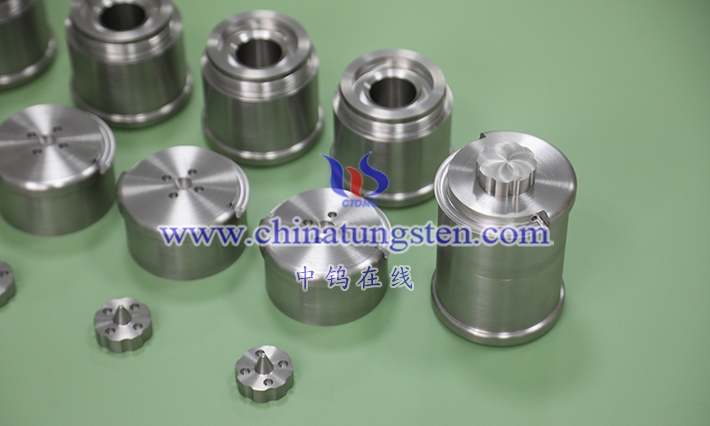
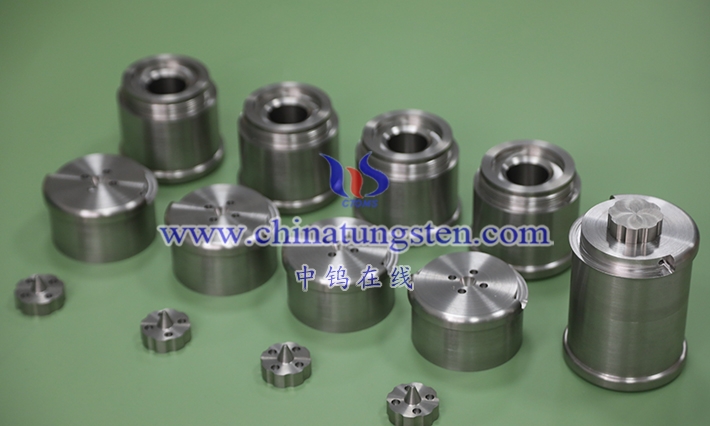
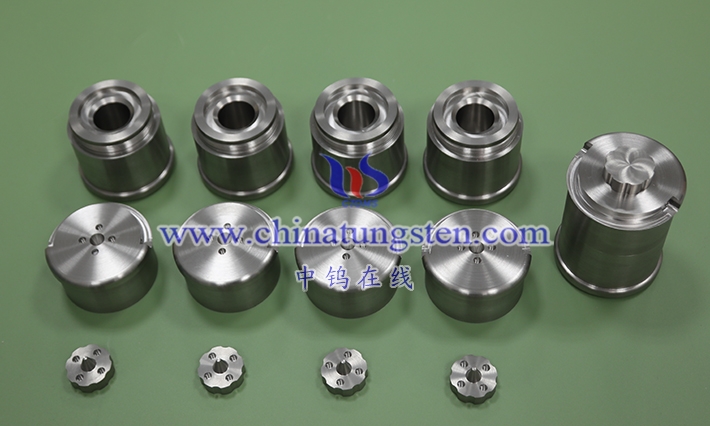
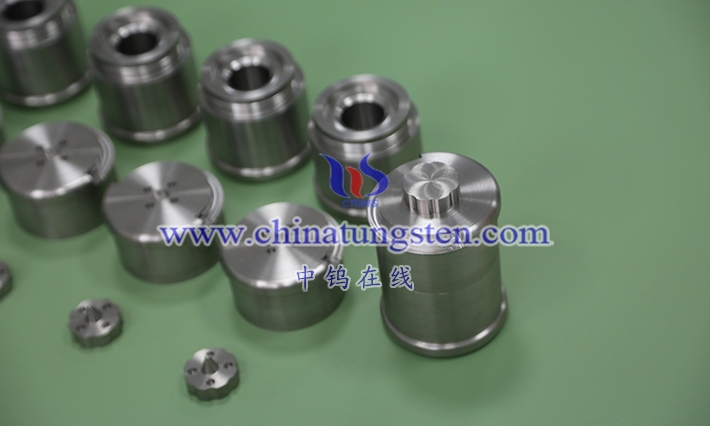
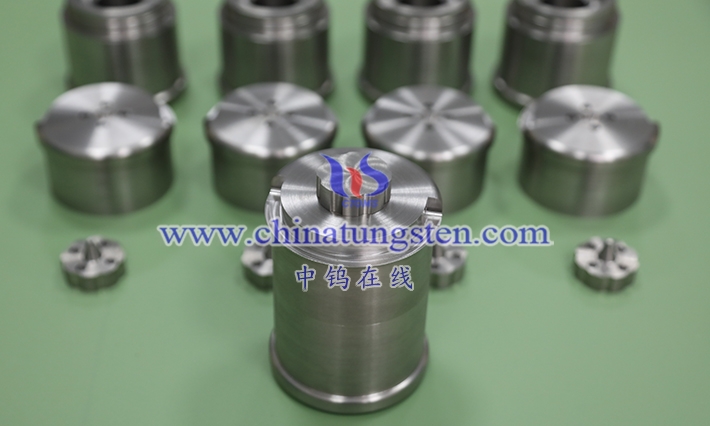
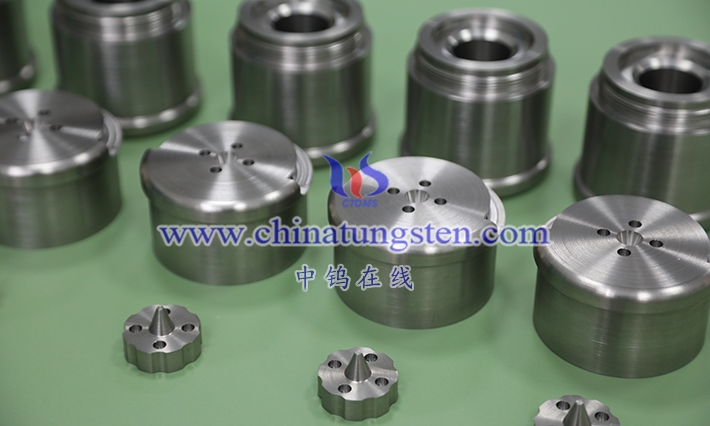
The corrosion resistance requirement of tungsten alloy shielding containers serves as an important performance guaranteeing surface integrity and geometrical permanence under long-term repeated decontamination, waste liquid storage, and environmental exposure, directly influencing secondary contamination control and service life.

Corrosion resistance must remain stable in acidic, alkaline, oxidizing decontamination agents as well as humid heat, salt mist, and chloride-containing media. The W-Ni-Cu system exhibits favorable corrosion behavior across a wide pH range and various corrosive media due to copper-promoted dense passivation films; the W-Ni-Fe system, while offering higher strength, requires surface enhancement in certain acidic and chloride environments. Surface functional coatings (chemical nickel plating, CrN, DLC, or fluorine-containing easy-decontamination layers) further improve resistance to pitting, uniform corrosion, and surface recovery after decontamination.
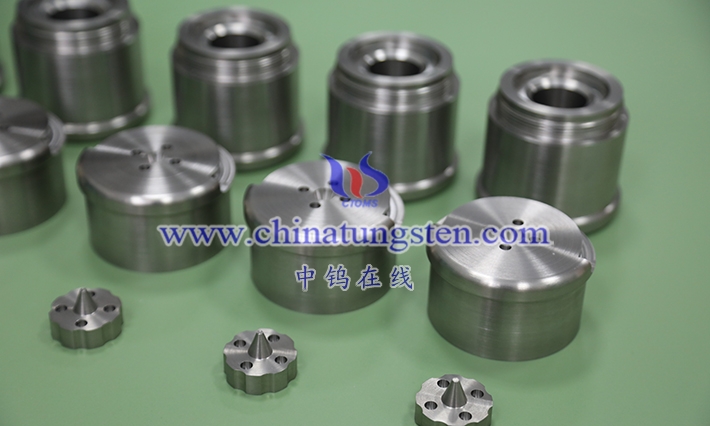
Corrosion resistance requirements include low uniform corrosion rate, strong resistance to pitting and crevice corrosion, no significant acceleration of corrosion behavior post-irradiation, and long-term coating-substrate adhesion without spalling. Practical evaluation is conducted through salt spray testing, immersion testing, electrochemical polarization curves, and real decontaminant cycling tests. Qualified corrosion-resistant design enables tungsten alloy shielding containers to withstand decades of strong oxidizing decontamination in nuclear medicine hot cells, waste liquid storage, and industrial irradiation facilities without exhibiting obvious corrosion signs.
More details of tungstate product, please visit website: http://www.tungsten-alloy.com/index.htm
Please contact CHINATUNGSTEN for inquiry and order of tungstate:
Email: sales@chinatungsten.com
Tel.: 86 592 5129595