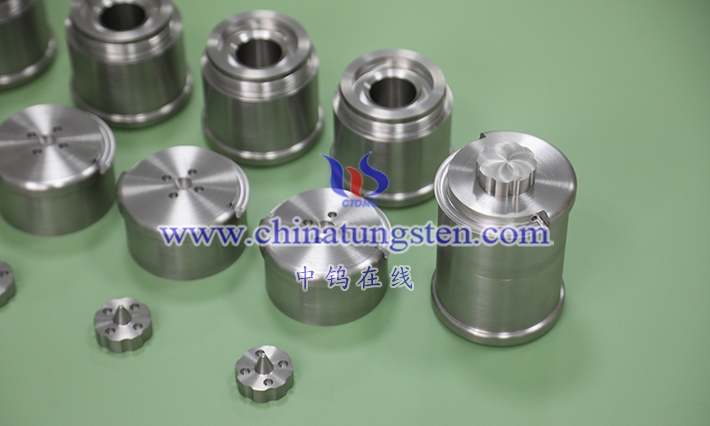
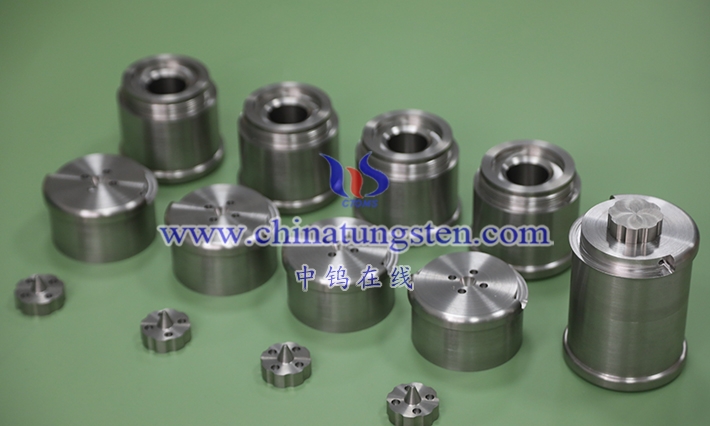
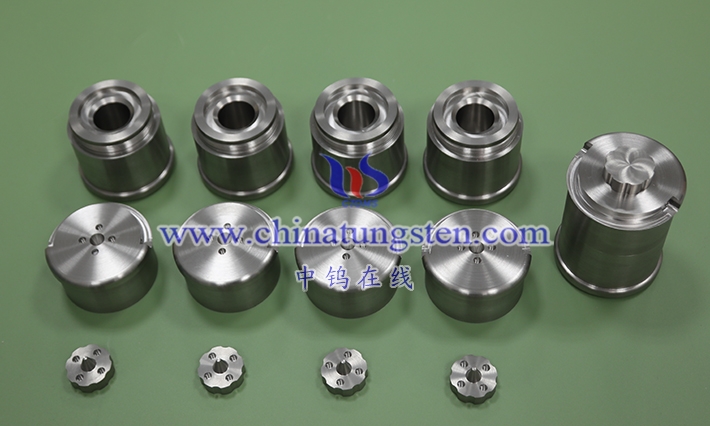
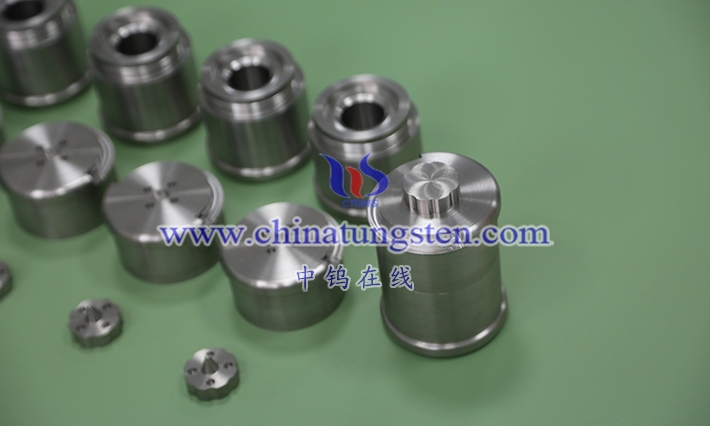
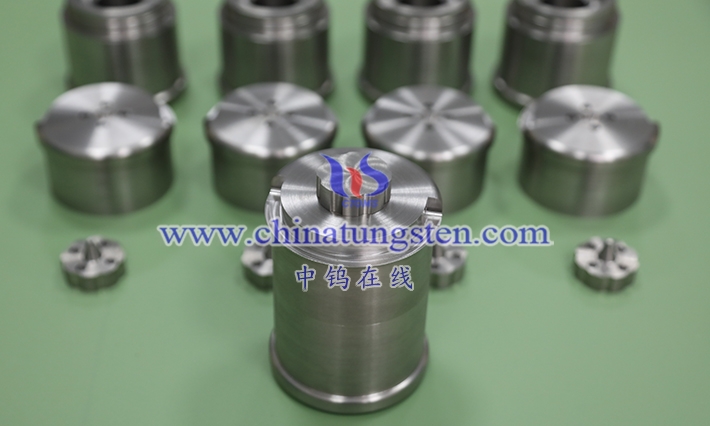
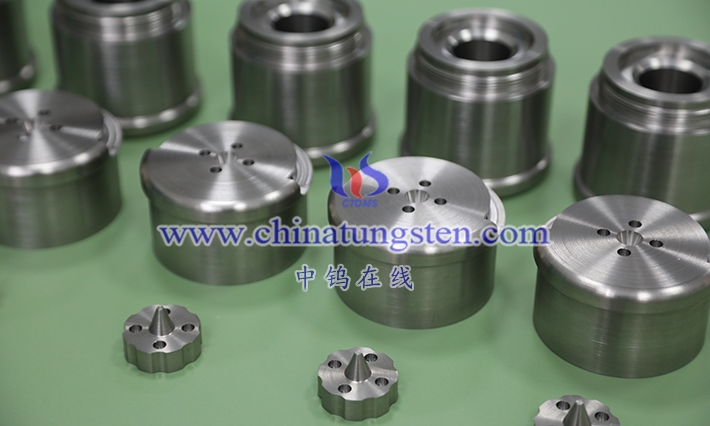
The shielding efficiency requirement of tungsten alloy shielding containers serves as the comprehensive criterion for evaluating radiation protection capability, typically assessed through external surface dose rate, leakage angle distribution, secondary radiation control level, and long-term effectiveness stability.
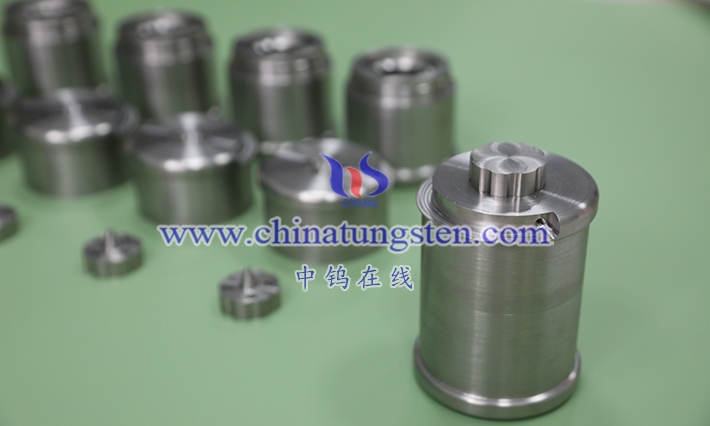
Shielding efficiency must keep any point dose rate on the external surface below regulatory limits under the most unfavorable source term and longest service period, with reasonable margin. Leakage angle distribution requires omnidirectional uniformity without obvious directional weak zones or hotspots. Secondary radiation (Compton-scattered photons, characteristic X-rays, bremsstrahlung, annihilation photons, neutron-capture gamma rays) must be effectively re-absorbed, with no detectable secondary peaks at the external surface.
Long-term effectiveness stability requires shielding efficiency degradation to remain within acceptable bounds after cumulative irradiation, high-temperature/high-humidity aging, and repeated decontamination. Practical evaluation combines standard source measurement, Monte Carlo simulation, and type testing, including panoramic dose rate scanning and leakage angle measurement at different source-container distances.
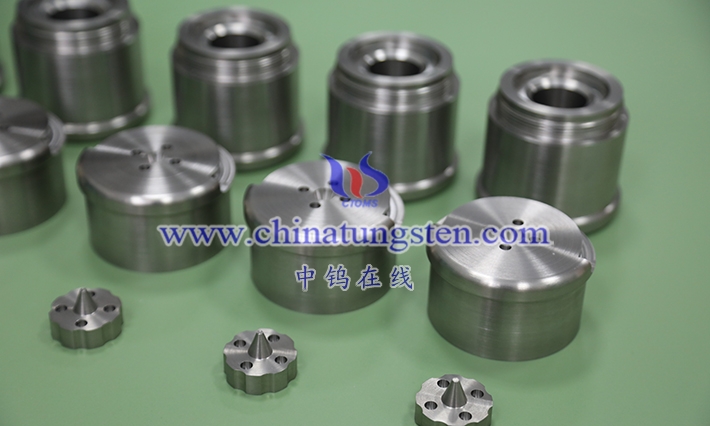
Qualified shielding efficiency design enables tungsten alloy shielding containers to achieve reliable dose control and containment safety in nuclear medicine imaging, isotope production, industrial irradiation, and waste storage applications.
More details of tungstate product, please visit website: http://www.tungsten-alloy.com/index.htm
Please contact CHINATUNGSTEN for inquiry and order of tungstate:
Email: sales@chinatungsten.com
Tel.: 86 592 5129595