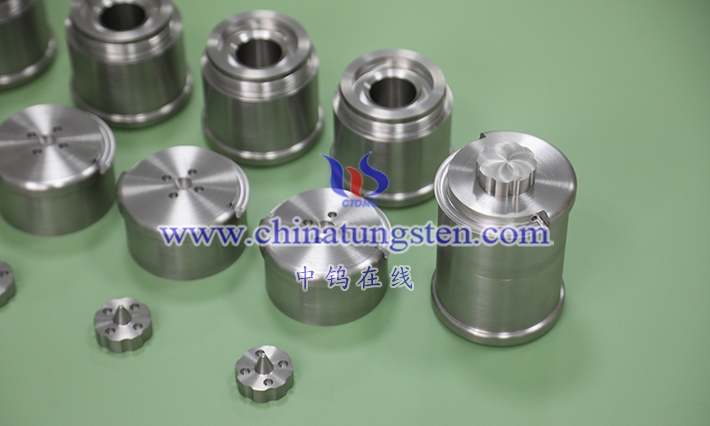
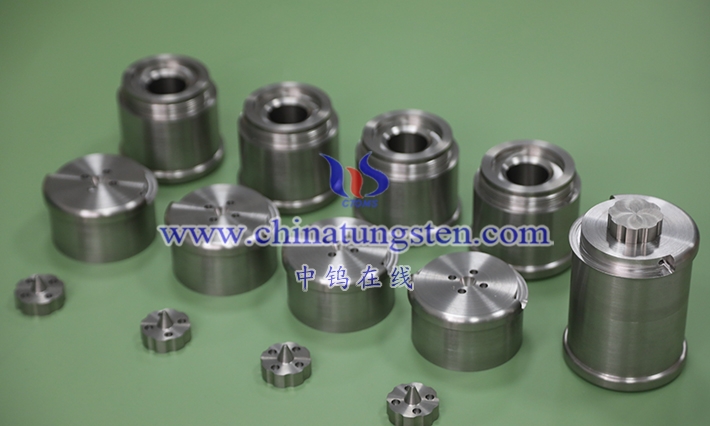
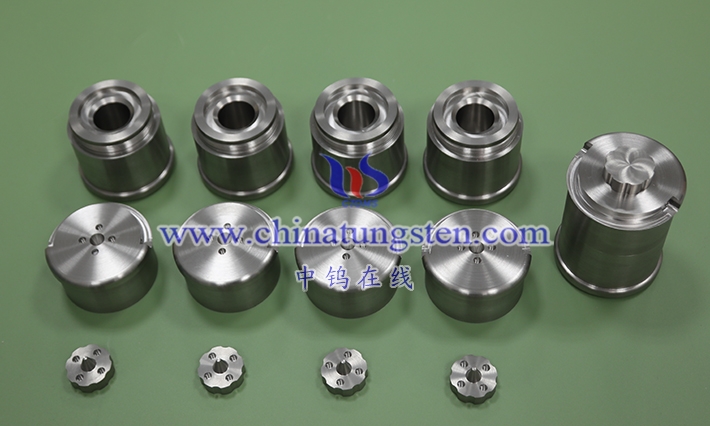
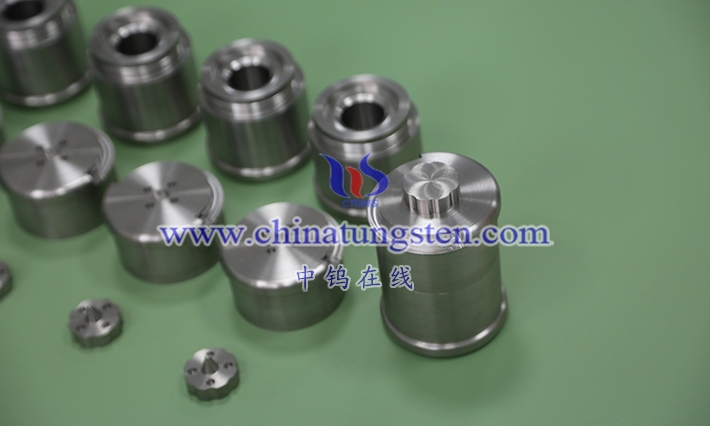
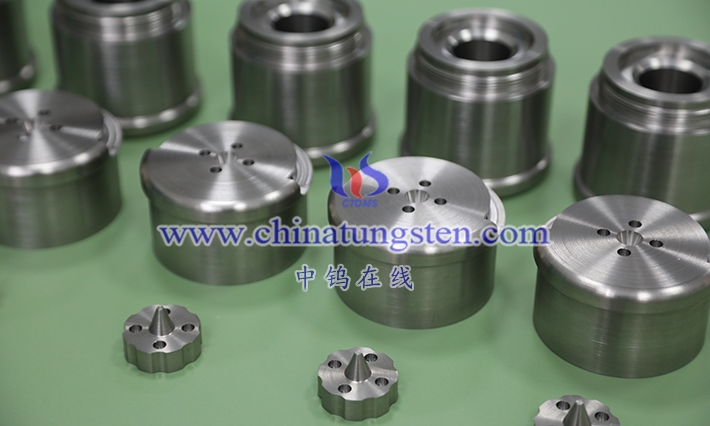
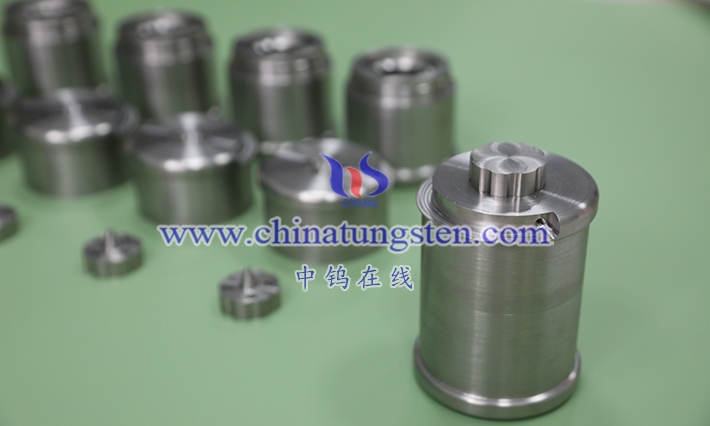
The high-temperature performance requirement of tungsten alloy shielding containers provides the foundation for maintaining dimensional stability, structural integrity, and shielding effectiveness under fire accidents, high-temperature cyclotron target chambers, or prolonged thermal loading conditions. High-temperature performance must address both short-term extreme temperature exposure and long-term moderate temperature service.
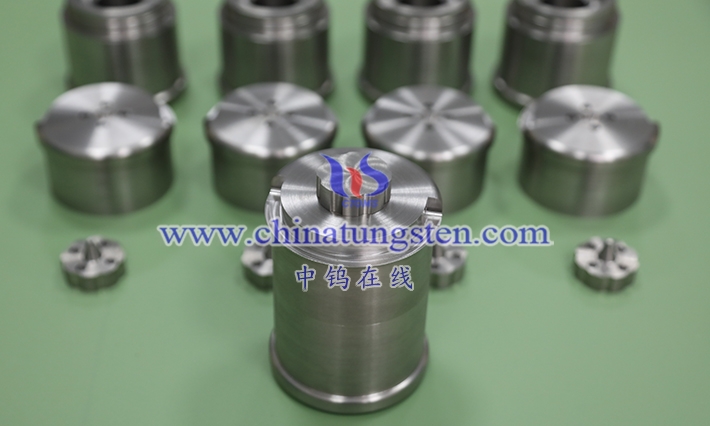
Short-term high-temperature resistance requires that the container neither melt, collapse, nor lose sealing under fire conditions, allowing surface oxidation while keeping bulk microstructure and geometry intact to provide sufficient time for emergency response. Long-term high-temperature performance demands that strength, hardness, ductility, and thermal expansion remain within acceptable limits at temperatures typical of nuclear medicine hot cells or industrial irradiation facilities, preventing creep-induced wall thinning or sealing surface warping.
To achieve these properties, production selects tungsten alloy systems with elevated recrystallization temperature, controlling grain size, adding creep-resistant elements, and optimizing post-sintering heat treatment to suppress grain-boundary sliding. Surfaces are typically coated with oxidation-resistant or high-temperature passivation layers to prevent high-temperature spalling. Strength and dimensional stability are verified through high-temperature tensile testing and long-term thermal aging tests.
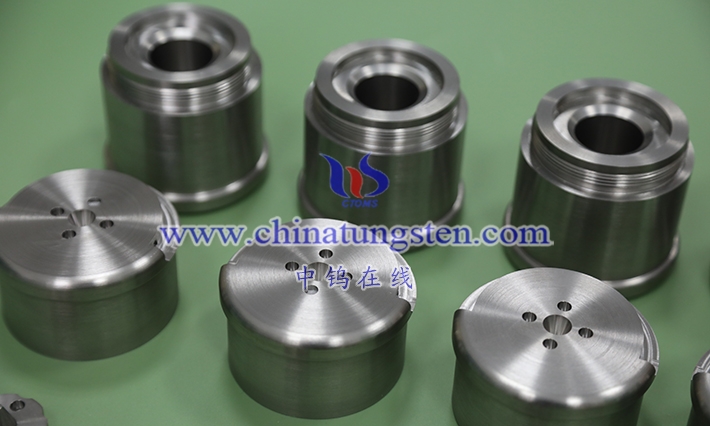
Appropriate fulfillment of high-temperature performance requirements enables tungsten alloy shielding containers to safely handle elevated temperature environments in nuclear medicine hot cells, isotope production, and industrial irradiation facilities while maintaining long-term shielding and containment reliability.
More details of tungstate product, please visit website: http://www.tungsten-alloy.com/index.htm
Please contact CHINATUNGSTEN for inquiry and order of tungstate:
Email: sales@chinatungsten.com
Tel.: 86 592 5129595